Historic masonry is not a category of work — it is a standard of care. Limestone, granite, terracotta, and historic brick each behave differently, age differently, and fail differently. We have spent 35 years learning how to work with these materials the right way — sourcing period-appropriate replacements, performing laboratory analysis when needed, and applying techniques that meet the standards of historic preservation commissions and landmark designations. The goal is always to preserve what was built, not replace it.
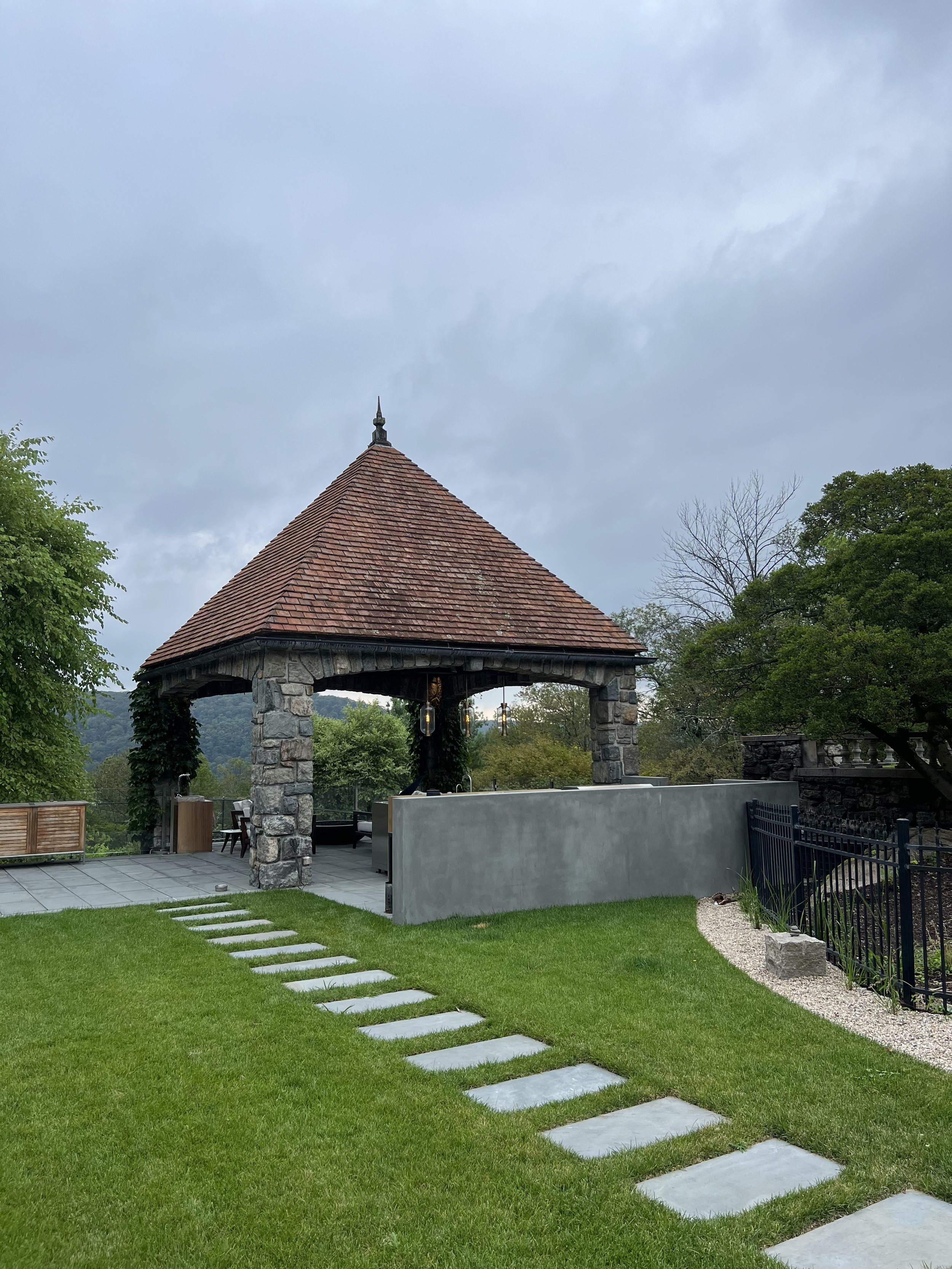
A small pavilion with a stone and wood structure, red tiled pyramid roof, and hanging lights, surrounded by green grass, trees, and a stone walkway under a cloudy sky.
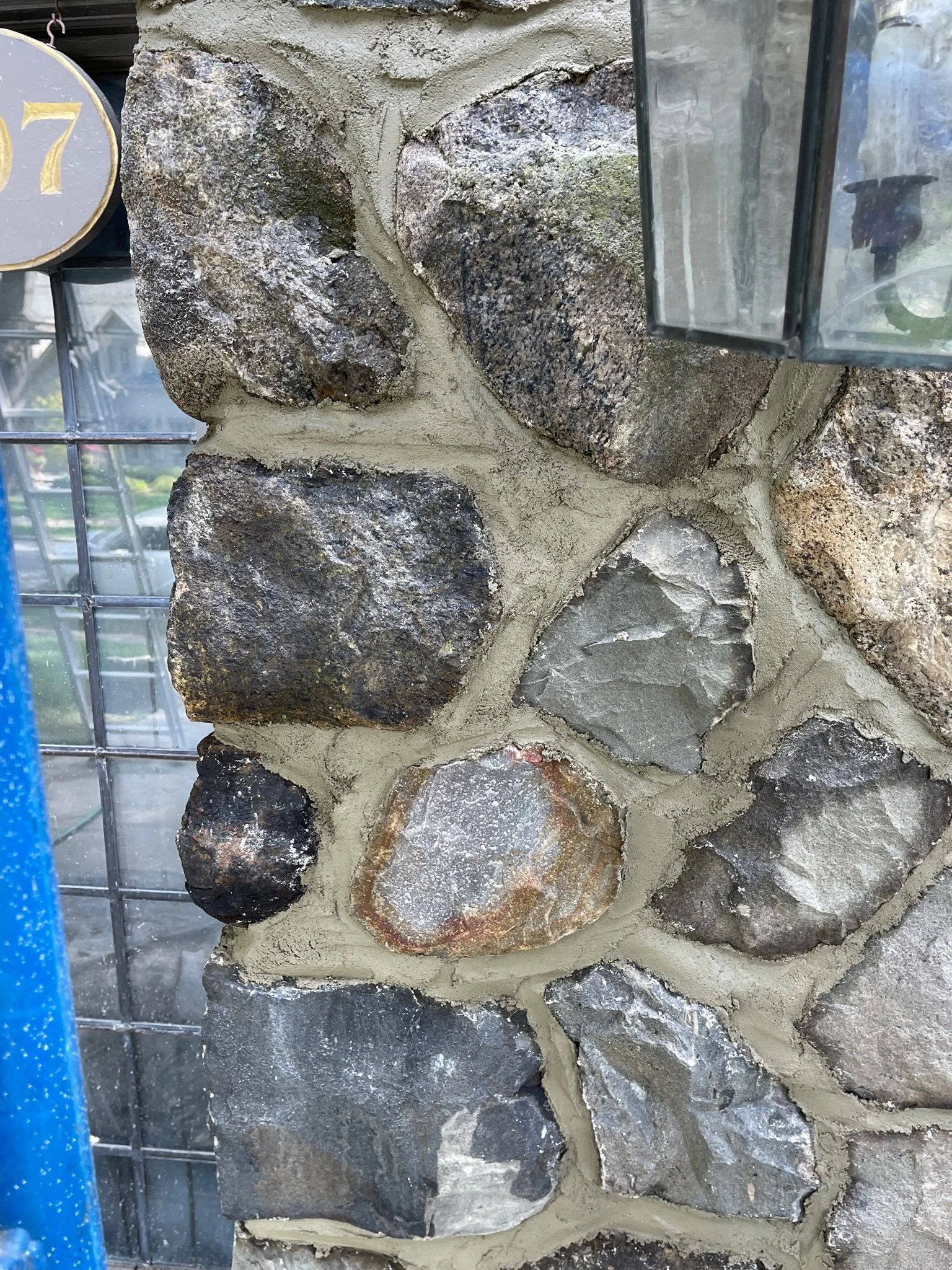
Close-up of a stone wall with various large, irregular-shaped rocks embedded in mortar, with a glass panel or lantern partially visible on the right side.
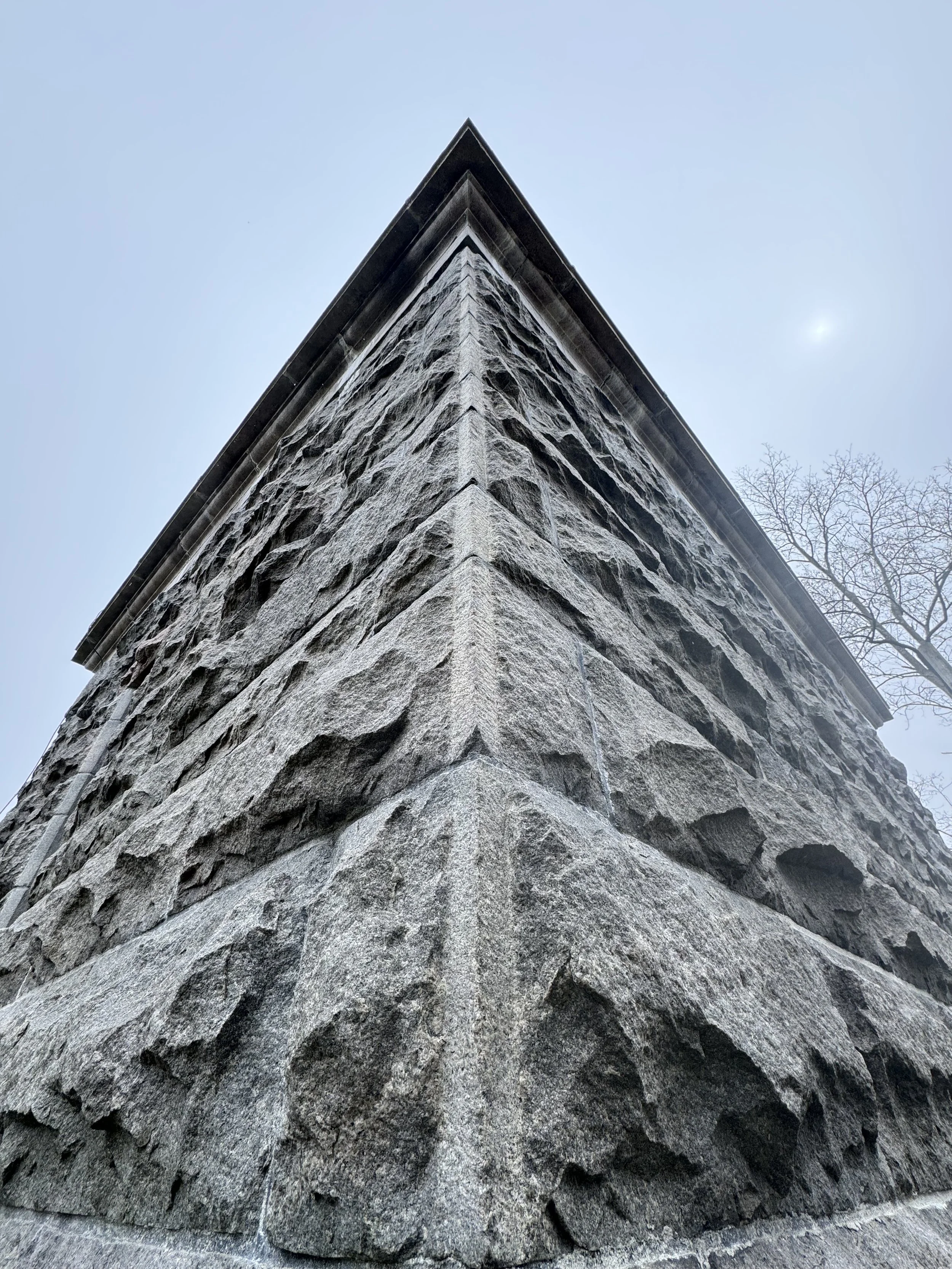
Close-up of a stone building corner with textured gray stones and a dark overhanging roof, under a clear sky with leafless trees in the background.
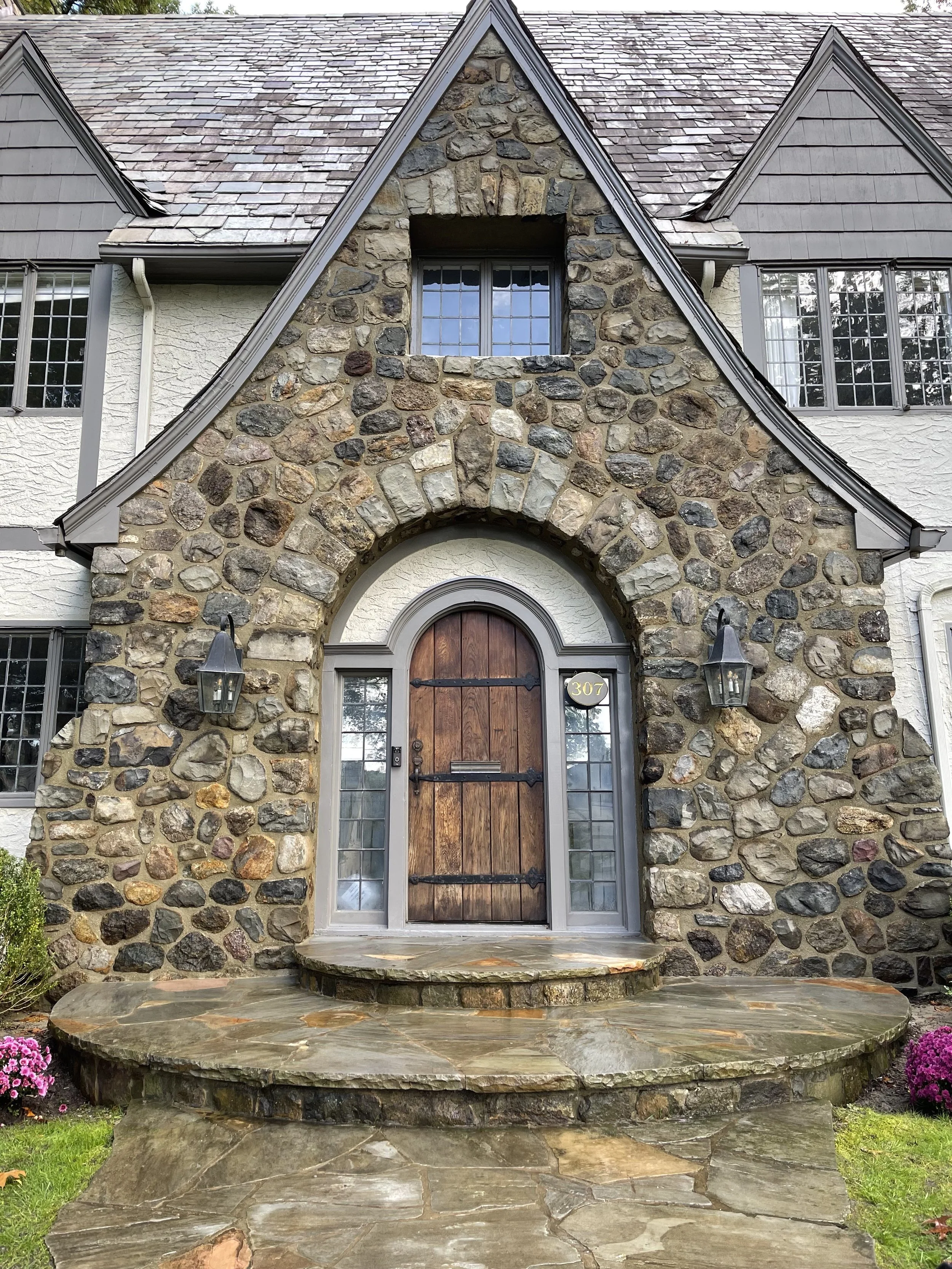
Front entrance of a house with a wooden door, stone archway, and stone steps, flanked by two black outdoor lanterns, with large windows on both sides of the door.

Stone pointing & structural bearing repairs · Performed with hydraulic lime mortar from St. Astier quarry, France.
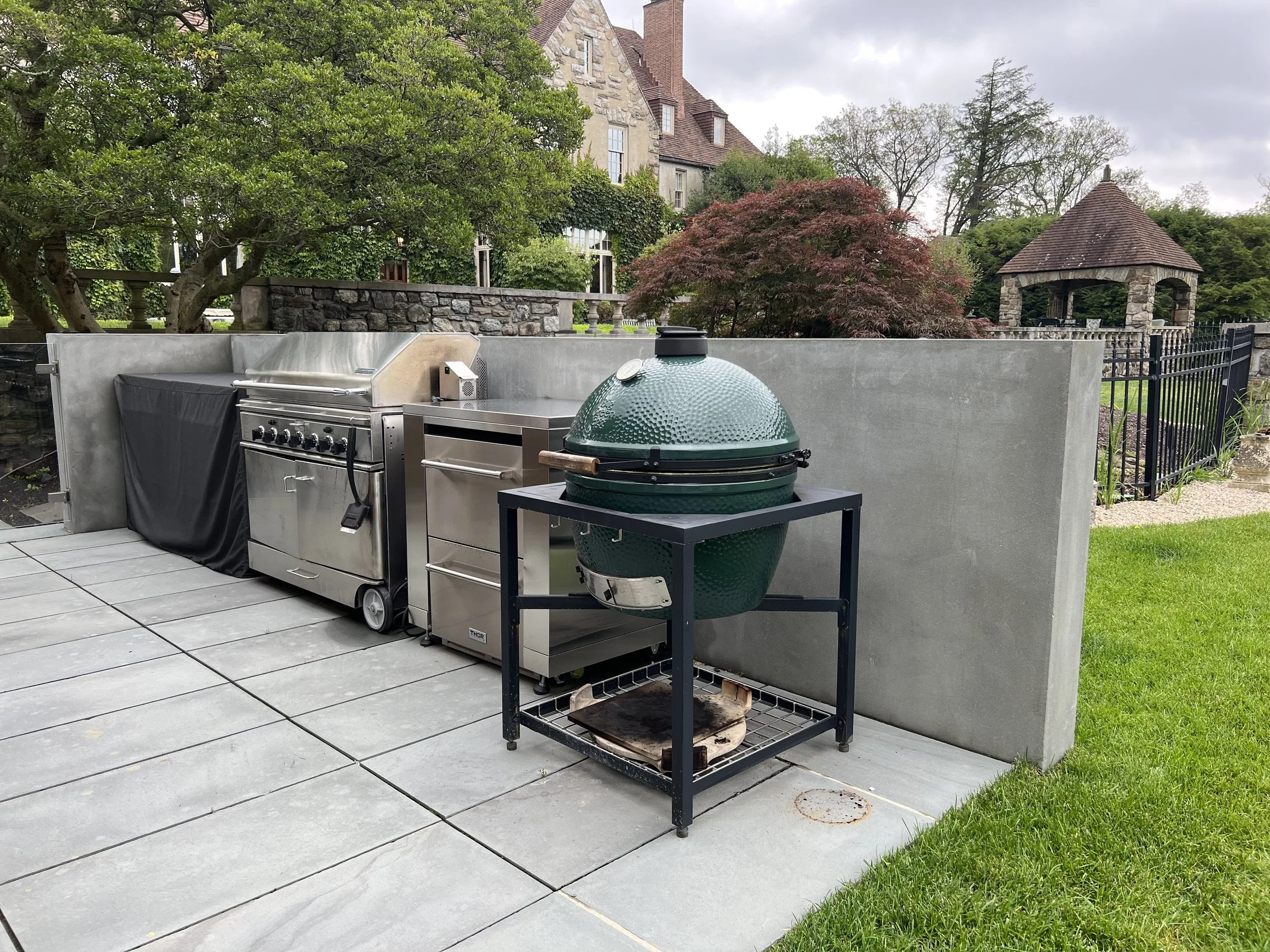
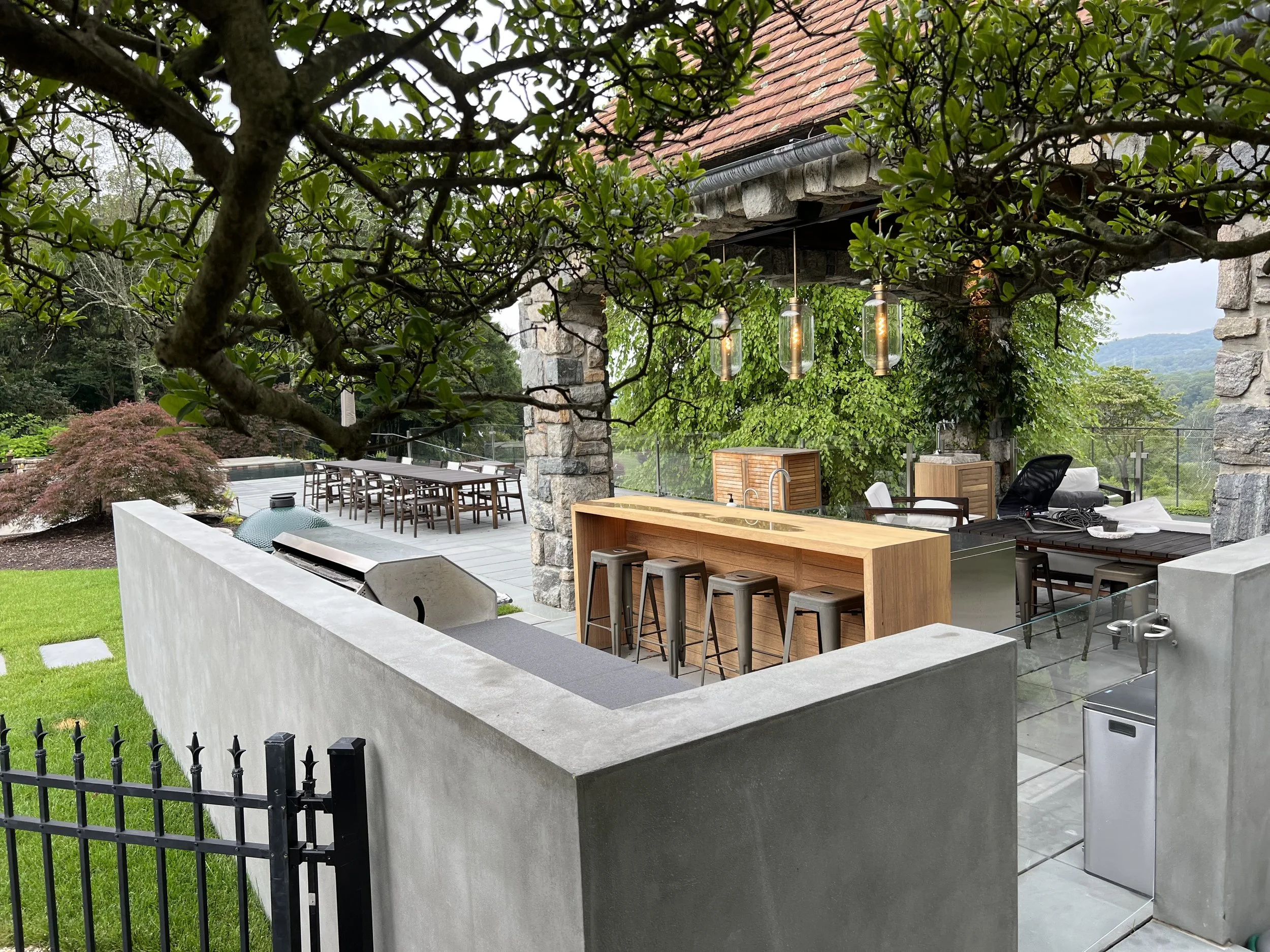
Outdoor patio with stainless steel grill and a green ceramic Kamado-style barbecue, surrounded by a concrete wall, with a stone house and lush trees in the background, under a cloudy sky.
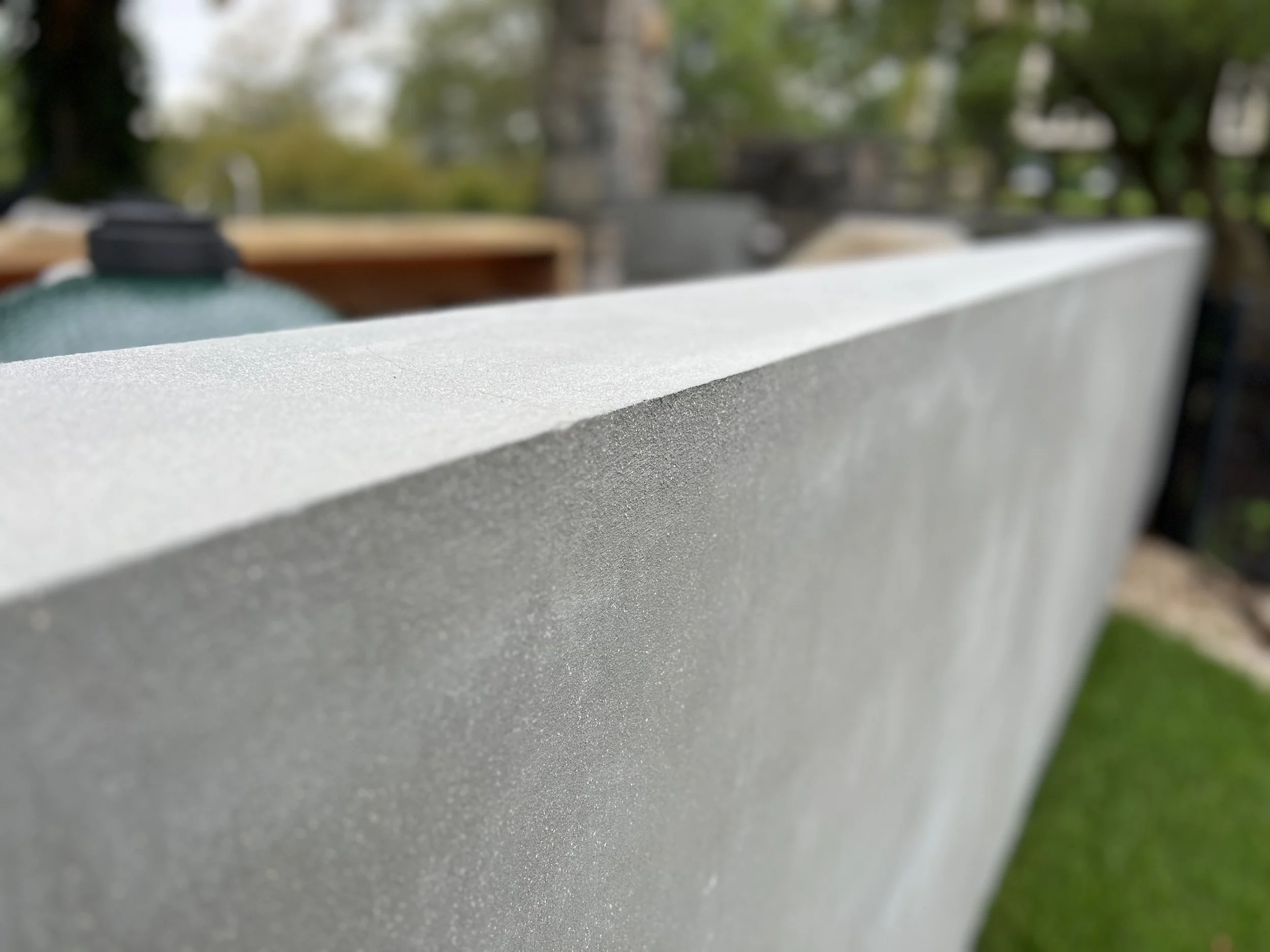
Close-up of a gray concrete or stone ledge or wall with a blurred background of trees and greenery.
Outdoor patio area with a dining table, chairs, a bar counter, and decorative hanging lights, surrounded by lush green trees and a stone building with a tiled roof.